Ingredients
Equipment
Method
- Cream butter and sugar together using paddle attachment or hand-beater
- Add the eggs, mixing in one at a time.
- Add Vanilla extract and Almond extract (if used)
- In a separate bowl, whisk together flour, salt, baking soda, and cornstarch.
- Mix the dry ingredients into the wet ingredients. Mix until just combined.
- Fold in the chocolate chips.
- Place in air-tight container and chill for up to 48 hours (optional)
- Scoop into tablespoon-sized balls and smooth them out by rolling between hands.
- Bake for 9-12 minutes or until the tops of the cookies begin to develop a golden-brown texture
- Remove from oven and rest on sheet for 2 minutes, then transfer to wired cooling rack for up to an additional hour.
Notes
Troubleshooting & Professional Insights
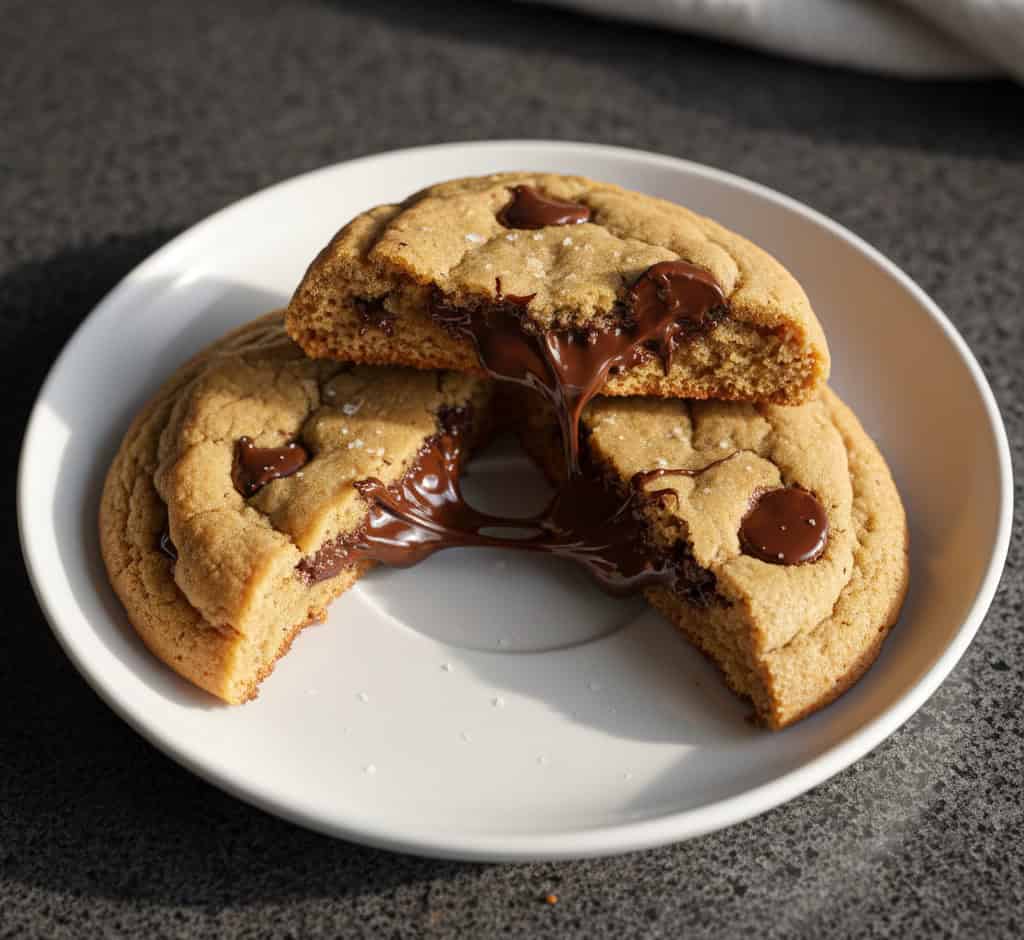
Problem: My cookies spread too much and are thin. Professional Insight: This usually happens because the butter was too soft (almost melted) or the dough wasn't chilled. If your kitchen is warm, the butter loses its structural integrity quickly. Additionally, ensure you are measuring your flour by the "spoon and level" method. If you scoop the flour directly with the measuring cup, you often pack it down, leading to inaccurate ratios. Problem: My cookies are cakey, not chewy. Professional Insight: Cakey cookies are often the result of too many eggs or too much leavening. However, the most common culprit is over-beating the eggs. When eggs are beaten excessively, they create a meringue-like structure that lifts the dough into a cake-like crumb. Stick to the "one at a time" rule and mix only until incorporated. Problem: The bottoms are burnt but the tops are raw. Professional Insight: This is a classic thermal conductivity issue. If you are using dark, thin baking sheets, they heat up too rapidly. Switch to heavy-gauge aluminum or use a silicone baking mat to provide a heat buffer. Also, check that your oven rack is in the center position; being too close to the bottom heating element will scorch the sugars in the dough. Chef's Secret for Aesthetics: For those "bakery-style" looks, reserve a handful of chocolate chips before mixing. After portioning the dough balls, press 3 or 4 extra chips into the top of each ball. As the cookie spreads, these chips will remain visible on the surface. For perfectly round cookies, place a circular biscuit cutter or a large glass over the cookie immediately after it comes out of the oven and gently scoot it in a circular motion to "reshape" the soft edges.Storage and Swaps
- Storage: Store cooled cookies in an airtight container at room temperature for up to 5 days. To keep them extra soft, place a single slice of white bread in the container; the cookies will absorb the moisture from the bread.
- Freezing: You can freeze the unbaked dough balls for up to 3 months. Bake them directly from the freezer, adding 1-2 minutes to the total bake time.
- Swaps: If you prefer a deeper flavor, you can swap the semi-sweet chips for dark chocolate chunks. If you do not have cornstarch, you can omit it, though the texture will be slightly less "velvety."